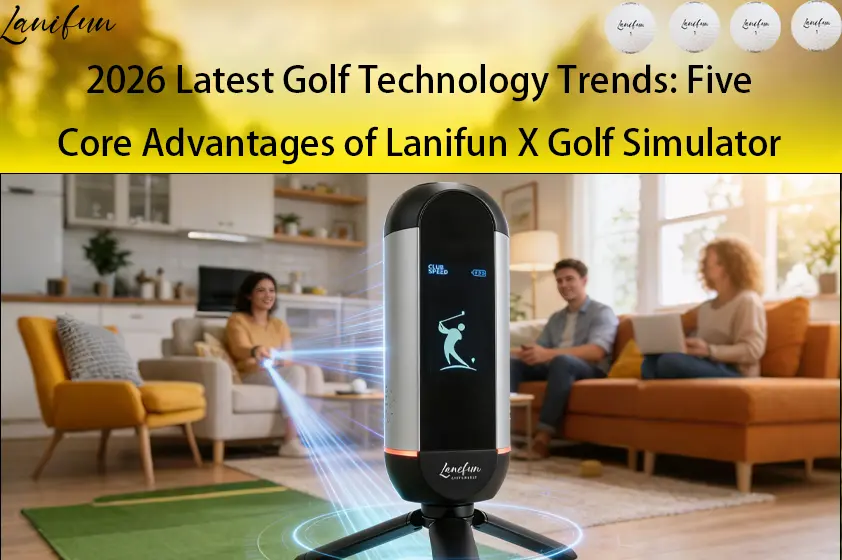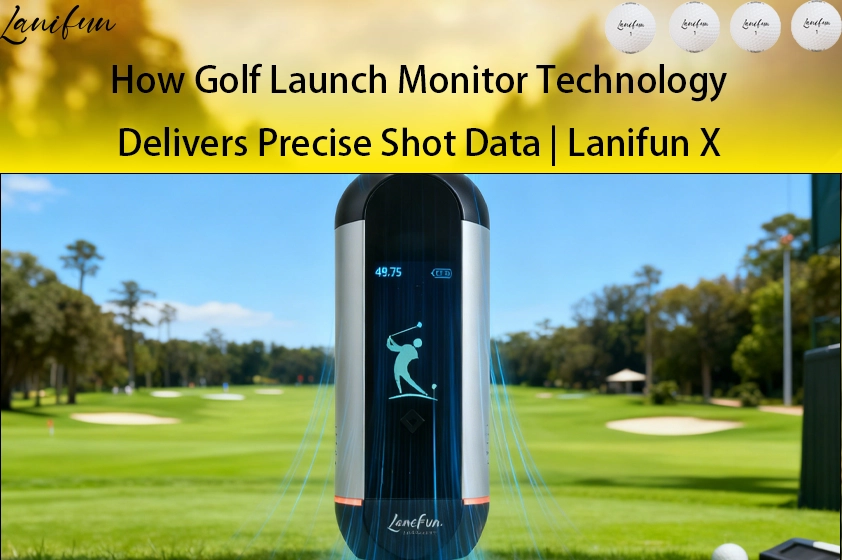
How to Choose the Best Golf Rangefinder for Accuracy Training in 2026
As Lanifun, we have long focused on the real pain points that amateur and advanced golfers face during training: the issue isn’t a lack of knowledge regarding club distances, but rather the inability to pinpoint exactly where—and by how much—each individual shot deviates from the target. When choosing a golf rangefinder in 2026, you shouldn’t focus solely on “maximum range”; instead, prioritize whether it can reliably support your accuracy training—transforming your distance assessment, club selection, and shot-landing analysis into a repeatable training routine.
What Is a Golf Rangefinder, and Why Is It Ideal for Accuracy Training?
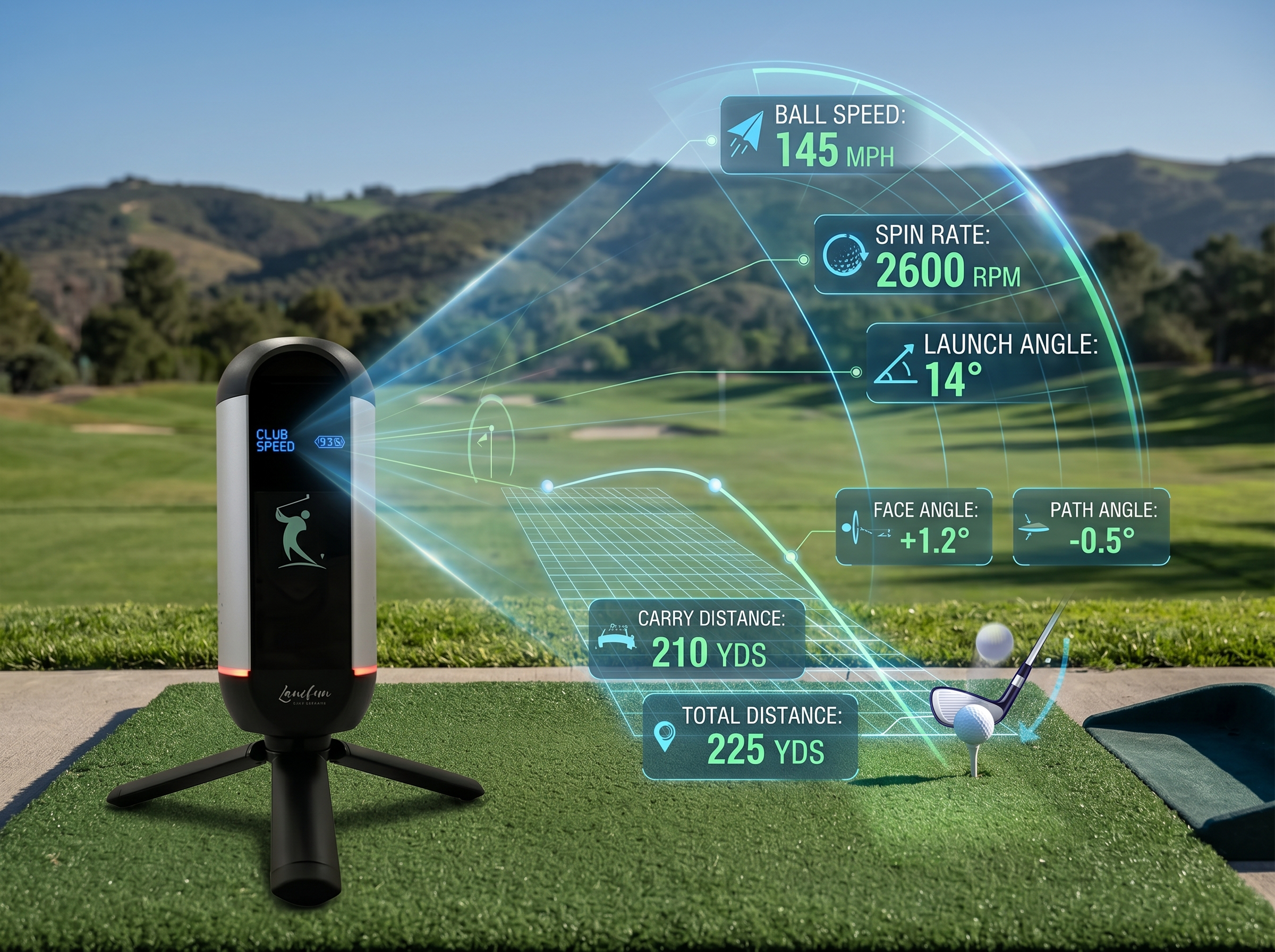
A golf rangefinder typically refers to a laser-based device used to quickly measure the distance between a golfer and a specific target—such as the flagstick, a hazard, the edge of a water feature, or a desired landing zone. In the context of training, its true value lies not in swinging the club for you, but in providing clear, verifiable data: the exact distance to the target, the precise margin of error at your actual landing spot, and how to make the necessary adjustments for your next shot.
We believe that the best golf rangefinder for accuracy training should empower golfers to achieve three key objectives: developing a consistent sense of yardage, establishing clear target management, and conducting a thorough post-session analysis of shot errors. Once these three elements are in place, the rangefinder transcends its role as a mere “tournament gadget” and becomes an integral part of your daily training system.
Core Criteria for Choosing a Golf Rangefinder in 2026
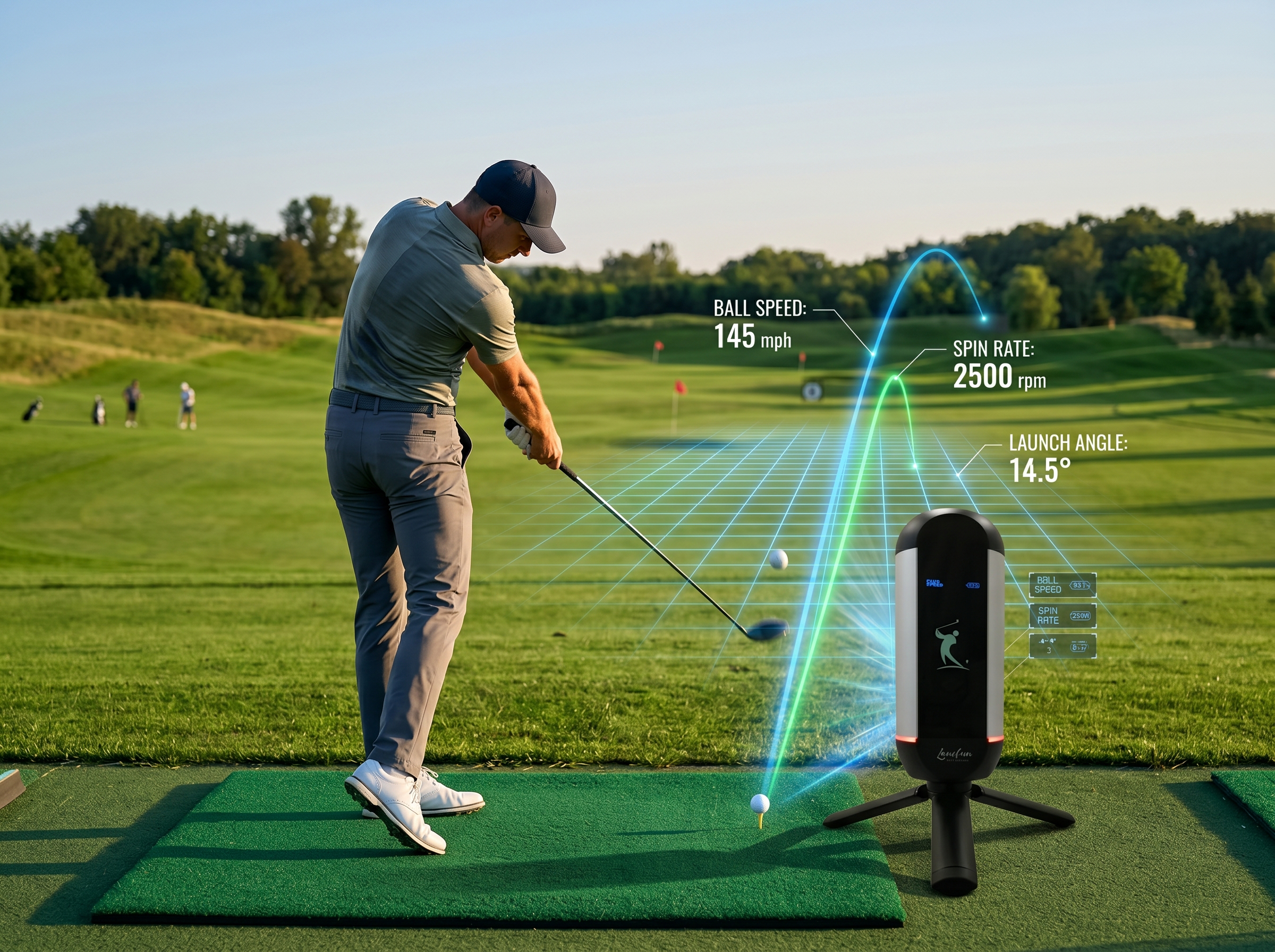
First: Assess measurement accuracy and stability. While many products boast impressive maximum range specifications, what truly impacts your training is their consistent performance within the critical 50-to-250-yard range. We recommend prioritizing an accurate laser golf rangefinder that offers clear readouts, rapid response times, and reliable flagstick-locking capabilities.
Second: Determine if the “Slope Mode” suits your specific usage scenarios. A golf rangefinder with slope mode (featuring slope compensation) helps you understand how uphill and downhill gradients affect the actual playing distance of your shots. This feature is invaluable for training purposes; however, during competitive rounds, you must verify local tournament rules and ensure you utilize a mode where the slope compensation feature can be disabled.
Third: Evaluate the quality of the optics, display interface, and image stabilization features. British golf courses are often characterized by wind, rain, low-light conditions, and undulating terrain; if a rangefinder is unstable in the hand or lacks a clear display, it can easily render your training data unreliable. At Lanifun, our product philosophy places equal emphasis on clear visibility, rapid flag-locking capabilities, and effortless one-handed operation.
Fourth, consider portability and battery performance. The devices that truly help improve your game are the ones you are willing to carry with you for every round and practice session. A lightweight body, a durable casing, and a long-lasting battery are far more relevant to the practical demands of golf training than exaggerated technical specifications.
How Can You Incorporate a Golf Rangefinder into Accuracy Training?
We suggest starting with three simple training drills. First—Target Yardage Training: At the driving range or short-game area, set targets at 60, 90, and 120 yards; use your rangefinder to confirm the exact distances, then record the average landing point for each club. Second—Approach Shot Training: When playing a round, measure the distances to the pin, the front edge of the green, and the back edge; use this data to identify a safe landing zone rather than fixating solely on the pin. Third—Error Analysis: After completing each hole, record the club you selected, the measured distance, and the actual outcome to identify patterns in your shots—whether they tend to fall short, fly long, or miss off-line.
This training methodology is effective for both beginners and mid-handicap golfers. Beginners can reduce the guesswork involved in club selection, while advanced players can fine-tune their distance control within 100 yards. Furthermore, golfers looking to improve their Greens in Regulation (GIR) statistics can make more rational decisions regarding when to attack the pin and when to play safely toward the center of the green.
Our Vision of an Effective Golf Rangefinder
At LANIFUN, our starting point for designing golf rangefinders is simple: we want to help golfers obtain reliable distance readings faster, and—crucially—enable them to genuinely utilize those distances to inform their training decisions. We don’t want our rangefinders to be merely electronic accessories sitting in your golf bag; instead, we aim for them to become your daily training partners—tools that help you sharpen your distance judgment, refine your short-game control, and optimize your green-attack strategies.
In LANIFUN’s product philosophy, an effective golf rangefinder should allow you to execute the entire sequence—lift, lock, read, and decide—in one seamless motion. For golfers engaged in accuracy training, this translates to less guesswork, less hesitation, and the ability to more easily transform every single shot into actionable, learnable data. If you are looking for a golf rangefinder in 2026 that is suitable for both daily practice and on-course play, LANIFUN aims to be a simple, reliable, and results-oriented choice. Whether you are a beginner just establishing your yardage system or an advanced player looking to refine your approach shots to the pin, we strive to support you in steadily lowering your scores by providing a clearer, more precise distance-finding experience.
A Quick Checklist Before Buying
- Ask yourself these five questions before making a choice:
- Will I primarily use this for practice or for competitive rounds?
- Do I need a "slope mode"? Are the courses I frequently play often rainy, windy, or characterized by significant elevation changes?
- Do I require fast flag-locking capabilities and vibration feedback?
- Is the device lightweight enough that I will be willing to carry it with me every time I play?
If your answers point toward stability, clarity, and ease of use, then this device is likely a more worthwhile purchase than products that boast exaggerated technical specifications.
FAQ
Q1: What is the difference between a golf rangefinder and a GPS golf watch?
A: A golf rangefinder is better suited for measuring specific targets—such as the flagstick, a tree, or the edge of a bunker—while a GPS watch is better for viewing the overall hole layout and obtaining general front, middle, and back-of-the-green distances. When it comes to accuracy training, the two devices can serve as excellent complements to one another.
Q2: Do beginners need a golf rangefinder for training?
A: Yes, they do—though there is no need to chase after overly complex features. A beginner’s most pressing need is to develop a genuine sense of distance—knowing roughly how far each of their clubs carries. A golf rangefinder can make this learning process much faster and more objective.
Q3: Is "slope mode" a must-have feature?
A: If your primary focus is on training for distance control, slope compensation can be extremely helpful. However, if you frequently participate in official tournaments, you should choose a model that allows you to disable the slope mode, ensuring compliance with tournament regulations.
Q4: What should I prioritize when buying a golf rangefinder in 2026?
A: We recommend prioritizing accuracy at short-to-mid ranges, flag-locking speed, display clarity, ergonomic feel, water resistance and durability, and battery life. For the majority of consumers, these practical factors are far more useful than specifications regarding ultra-long-range measurement capabilities.
Q5: Which golfers are best suited for LANIFUN?
A: LANIFUN is ideal for golfers who wish to improve their distance judgment, short-game control, and on-course decision-making in a straightforward, uncomplicated manner. We believe that a great golf rangefinder should make your training clearer and more effective—not make the operation of the device itself more complicated.
Summary
Choosing the best golf rangefinder for 2026 is, at its core, about selecting a more precise method of training. As long as a device offers stable distance measurement, rapid target locking, adaptability to real-world course conditions, and aids in analyzing your shot errors, it can truly serve the purpose of accuracy training. At LANIFUN, our goal is to help every golfer replace guesswork with certainty, transforming every swing into a foundation for future improvement.
If you are ready to upgrade your training gear with a new golf rangefinder for 2026, choose LANIFUN. Gain crystal-clear distance readings, build a solid training regimen, and ensure your next round on the course begins with absolute confidence.